

I‑65 and I‑70 Truck Accidents Through Indianapolis
Indianapolis sits at the crossroads of I‑65 and I‑70, funneled by the I‑465 loop and busy interchanges. When a tractor‑trailer collides with a passenger vehicle on these corridors, the stakes are high and the timeline is short. At Parr Richey Frandsen Patterson Kruse LLP, our trucking team acts immediately to secure critical evidence, investigate every liable party, and protect your recovery while you focus on healing.
Why I‑65 and I‑70 Crashes Are Different
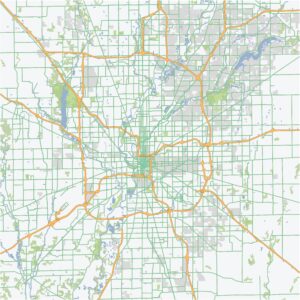
Traffic on these corridors mixes long‑haul semis, local distribution traffic, commuters, and tourists. Tight merges, construction work‑zones, and interchange choke points amplify risk.
After a wreck, motor carriers and insurers mobilize rapid‑response teams to shape the record before you’ve even left the scene. Preserving electronic and physical evidence in the first days matters more here than in a typical city‑street collision.
Common Crash Patterns On Indy’s Interstates
- High‑speed rear‑end and lane‑change impacts during congestion
- Jackknife events in wet or icy conditions
- Underride and override at night or in stop‑and‑go backups
- Wide‑turn or squeeze‑play collisions near ramps
- Lost‑load incidents from improper cargo securement
- Maintenance‑related failures such as tire blowouts or brake problems
- Lane shifts and narrow shoulders in work zones
Who May Be Liable
Responsibility rarely stops with the driver. Depending on the facts, liability may extend to the motor carrier for negligent hiring, training, supervision, or hours‑of‑service practices; the freight broker or shipper for unsafe timelines or loading; a maintenance contractor for defective repairs; a trailer or parts manufacturer for product defects; or, in work‑zone cases, contractors responsible for traffic control.
Building a full defendant list increases the chance of reaching all available insurance layers.
Evidence We Move To Preserve
Time‑sensitive proof includes the tractor and trailer event data recorders and engine control module downloads, electronic logging device data, dashcam and inward‑facing camera footage, dispatch notes, bills of lading, GPS/telematics, pre‑ and post‑trip inspection reports, maintenance records, drug and alcohol testing results, and weigh‑station activity.
We also pursue INDOT traffic cameras where available, nearby business and bystander videos, 911 audio, and scene measurements before conditions change. Formal spoliation letters start the process and help prevent critical data from being overwritten.
How FMCSRs Help Prove Fault
The Federal Motor Carrier Safety Regulations set minimum rules for hours‑of‑service, driver qualification, vehicle inspection and maintenance, cargo securement, and drug and alcohol testing.
When a carrier’s records show gaps—missing logs, out‑of‑service violations, overdue maintenance, or improper securement—those breaches become powerful evidence of negligence. Our litigators use these standards to structure discovery and expert testimony.
What To Do After An Interstate Crash
- Get medical evaluation right away, even if symptoms seem minor; adrenaline masks injuries.
- Avoid recorded statements with any insurer until you’ve spoken with counsel.
- Photograph vehicles, lanes, skid marks, debris, signage, and any construction layout if you can do so safely.
- Collect names and contact details for witnesses and first responders.
- Keep all repair estimates, tow bills, and medical paperwork together.
- Contact a trucking attorney quickly so preservation efforts and expert inspections can begin.
Damages And Insurance Layers
Commercial trucking claims often involve multiple policies: the carrier’s liability coverage, excess or umbrella policies, trailer coverage, and occasionally endorsements such as MCS‑90. Depending on the facts, your own uninsured/underinsured motorist coverage may also apply. We document past and future medical care, lost income and earning capacity, pain and suffering, loss of normal life, scarring, and, when evidence supports it, punitive exposure for egregious conduct.
How Parr Richey Frandsen Patterson Kruse LLP Can Help
After a truck accident, we launch a rapid‑response investigation, issue preservation letters, coordinate qualified inspections of the tractor and trailer, and retain experts in accident reconstruction, human factors, biomechanics, and trucking safety. We handle all insurer communications, protect you from adjuster tactics, and prepare your case for trial from day one.
Frequently Asked Questions
Q: How soon should I contact a lawyer after a truck crash on I‑65 or I‑70?
A: As soon as you are able. Critical electronic data can be overwritten within days, and carriers often deploy investigators immediately. Early counsel helps preserve evidence and prevents harmful recorded statements.
Q: Should I give a recorded statement to the trucking insurer?
A: Not before getting legal advice. Statements taken early can be used to minimize your injuries or shift blame. We can handle communications and schedule any necessary statements with protections in place.
Q: What if a work‑zone setup contributed to the wreck?
A: Work‑zone plans, lane closures, taper lengths, and signage are discoverable. Contractors and others responsible for traffic control may share liability if the setup violated standards or created unreasonable hazards.
Q: Who pays for my medical bills while the claim is pending?
A: You can and should use available health insurance; MedPay may also apply. Final responsibility is sorted out through settlement or verdict, with any valid liens handled during resolution.
Q: What if the truck’s black‑box data is “missing”?
A: We push for alternative sources: ELD server data, dispatch and GPS logs, maintenance systems, third‑party telematics, and camera footage. Courts can impose sanctions when key evidence is destroyed after proper notice.
Q: How long do I have to file in Indiana?
A: Deadlines depend on the claim type and parties involved. Because notice and evidence issues arise quickly in trucking cases, consult counsel promptly to avoid missing important timelines.
Get Help: Schedule A Free Consultation Today
If you or a loved one was hurt in a crash on I‑65 or I‑70 in or around Indianapolis, get focused help now. We’ll move fast to preserve evidence and protect your recovery. Call us at 317-505-1342 or fill out our contact form.
Free consultation. No fee unless we win